Money personality type
The Stasher: Quiet saver who keeps cash close
The Stasher saves by instinct, not by plan. You avoid risk and feel safest when your money sits close at hand.
- Saver or Spender
- Saver
- Planner or Flow
- Flow
- Cautious or Bold
- Cautious
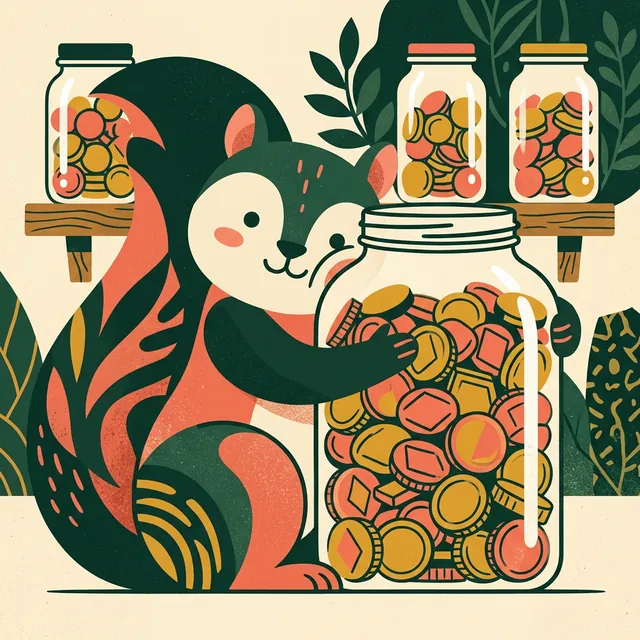
The Stasher money personality
You think of money as a safety net you can touch. You do not track every dollar or build detailed budgets. You simply feel uneasy when spending outruns what you set aside, so you hold back without being told to. Cash on hand calms you. A growing balance feels like proof that you are okay. You tend to distrust anything that looks complicated, fast, or uncertain. If a deal needs a leap of faith, you often pass. You may not explain your habits well, because they come from gut feeling more than logic. That gut sense has served you. It also means your money is often guided by comfort rather than by goals. You know you are saving, but you may not know exactly what for.
Strengths
- You build a cushion without needing a rigid system.
- You stay calm when others panic about sudden expenses.
- You resist pressure to buy things you do not need.
- You tend to avoid debt that comes from impulse.
Blind spots
- You may save with no clear goal, so progress feels vague.
- Fear of loss can keep you from useful growth over time.
- You might hold more cash than you need for safety.
- Without a plan, you may miss details like fees or rising costs.
Spending
You spend slowly and with some reluctance. Most purchases pass through an inner check: do I really need this? You often wait days before buying anything large. Everyday costs feel fine, but treats can bring a twinge of guilt. You tend to choose practical items that last. Sales rarely tempt you unless the item is already on your list. The risk is that you may skip things that would bring real joy or ease. A small, planned allowance for pleasure can help spending feel allowed rather than threatening.
Saving and investing
Saving is your default setting. You put money aside before you think about it, and seeing the balance rise brings relief. You tend to prefer options that feel steady and visible. Investing can feel like handing your safety to strangers, so you often hesitate or stay away. That caution is understandable. Still, it helps to ask what your savings are meant to do. Naming a purpose, such as a trip, a repair fund, or a far-off goal, turns quiet hoarding into direction. Learning at your own pace can also ease fear of the unknown.
Work and income
You value steady income over exciting upside. A reliable paycheck matters more to you than a big title or a risky venture. You often stay in a stable job longer than others might. You work hard, keep your head down, and may not push for raises. Asking for more can feel like gambling with security. You tend to notice when income is predictable and feel anxious when it is not. Side income may appeal if it stays low risk. Your challenge is speaking up for your worth, even when staying quiet feels safer.
Money in relationships
In relationships, you bring steadiness and a calm hand with money. Partners may feel safe around your care for the future. But your habits can be hard to read. You may not explain why you save so tightly, and others might see it as control or worry. Spender partners may feel judged. Share the feelings behind your choices, not only the numbers. Agree on a shared plan and some personal money each person can use freely. Openness lets your caution feel like care instead of distance.
The Stasher under money stress
Under money stress, you pull inward. You may check balances often, cut spending sharply, and refuse any new risk. Cash feels like the only thing you can trust. You tend to keep worries private rather than ask for help. Sleep and mood can suffer if the balance dips. This response protects you in the short term. Over time it can make you feel stuck. Try naming one small action you can take, and tell one trusted person what is going on.
A question for you
If your savings could speak, what would they say they are protecting you from?
The Stasher in a couple
The Stasher and The GuardianThe Stasher and The StrategistThe Stasher and The StasherThe Stasher and The Deal HunterThe Stasher and The CuratorThe Stasher and The BuilderThe Stasher and The GiverThe Stasher and The Free Spirit
Free quiz
Are you The Stasher?
Twelve statements, two minutes. See your type and your three trait scores.
Good to know
The Stasher: FAQ
What is The Stasher money personality?
The Stasher saves by instinct, not by plan. You avoid risk and feel safest when your money sits close at hand.
What are the blind spots of The Stasher?
You may save with no clear goal, so progress feels vague. Fear of loss can keep you from useful growth over time. You might hold more cash than you need for safety. Without a plan, you may miss details like fees or rising costs.
How does The Stasher handle money in a relationship?
In relationships, you bring steadiness and a calm hand with money. Partners may feel safe around your care for the future. But your habits can be hard to read. You may not explain why you save so tightly, and others might see it as control or worry. Spender partners may feel judged. Share the feelings behind your choices, not only the numbers. Agree on a shared plan and some personal money each person can use freely. Openness lets your caution feel like care instead of distance.
How does The Stasher react to money stress?
Under money stress, you pull inward. You may check balances often, cut spending sharply, and refuse any new risk. Cash feels like the only thing you can trust. You tend to keep worries private rather than ask for help. Sleep and mood can suffer if the balance dips. This response protects you in the short term. Over time it can make you feel stuck. Try naming one small action you can take, and tell one trusted person what is going on.
Other types: The GuardianThe StrategistThe Deal HunterThe CuratorThe BuilderThe GiverThe Free Spirit
Full report
Your Cash Character Playbook
A personal report built from your twelve answers. Read it online right away and save it as a PDF.
- Your exact scores on all three traits
- Strengths, blind spots and your stress pattern
- A 30 day money reset built for your type
- How you pair with all eight types
- Read online right away, save as PDF